
5 Uses For

Light Up Every Corner with Advanced LED Technology

Captivate with Dynamic Visual Communication Systems
Transform environments with LED displays that deliver real-time updates and personalized advertising. You can revolutionize office communication, retail digital signage, and event branding through immersive environments powered by Interactive LED displays and data-driven content. Here’s the link to learn more about the awesome product.

Elevate User Interaction with Smart LED Interfaces
Interactive LED displays elevate customer engagement by combining touchscreen integration, motion sensors, and voice recognition. Allow guests to interact with three-dimensional LED walls or wraparound screens controlled by gestures and speech. These adaptive displays foster improved customer interaction and streamlined communication, making every encounter memorable. You can read more about the subject here!

Maximize Energy Savings through Sustainable Technology
Low-power LED systems paired with solar integration lower expenses and uphold eco-conscious policies. Choose indoor LED modules engineered for low wattage to realize major power reductions. Eco-friendly selections showcase CSR values and support economical promotional efforts over the long haul. Click here to learn more about this service!

Custom LED Installations for Any Setting
Customizable LED walls support short-term trade show needs and long-term lobby features with ease. You can leverage LED wall services to craft branded backdrops, immersive environments, and holographic projections. Cloud-based LED control and remote oversight simplify content changes and diagnostics on the fly. View here for more info on this product.

Streamlined Collaboration in the Workplace
Business-grade LED networks boost teamwork with timely content in strategic locations. Queue live announcements for curved conference LEDs, stream AI-curated feeds on adaptive walls, and use IoT sensors for immediate insights. These tools boost productivity and foster a culture of innovation. Just click here and check out this website!

Boost Retail Traffic Through LED Signage
Retailers can harness smart LED displays to showcase personalized advertising and product demos. Implement touch-enabled screens and motion detection for guided tours, adding voice controls for a seamless experience. Data-driven content allows real-time updates on inventory and pricing, making marketing campaigns more cost-effective and impactful. Click here for more helpful tips on this company.

Elevate Event Branding and Trade Shows
Conferences require impact, delivered by 3D LED panels and holographic displays in enveloping setups. Hands-on LED demos draw crowds, and solar-enabled screens deliver green exhibits in open-air spaces. Such installations underscore a forward-thinking brand identity. Click here to learn more now!

Design for Corporate Lobbies and Public Spaces
Lobby-mounted LED modules turn entrance halls into engaging greeting zones. Mix wraparound LED screens with creative graphics or stream live corporate updates and social posts. Temporary LED systems adapt to special events, while permanent displays maintain ongoing communication goals. For more info on this product view here!

Stream Content Updates via Remote LED Platforms
Off-site monitoring and edits minimize LED system downtime. You can migrate to cloud-based platforms to schedule content, monitor performance, and analyze engagement metrics. Insight-based scheduling and machine learning-fed playlists boost efficiency and profits. This website has all you need to learn more about this company.

Step into Tomorrow with Cutting-Edge LED Tech
AR-like holograms and responsive screens define the next generation of immersive spaces. Mesh IoT triggers with AR-infused 3D panels for multisensory storytelling. These innovations redefine how you communicate visually. Click here for more helpful tips on this company.

Final Reflections
LED screens provide a flexible, power-saving solution that elevates visual messaging in workspaces, storefronts, reception areas, and venues.

Adopting interactive LED panels, analytics-driven visuals, and eco-friendly tech boosts customer interaction, optimizes team communication, and reinforces brand identity-plus yields significant energy and cost savings. View here for more info.

Refer to: here

Interesting Research on – What No One Ever Told You

LED Technology Is Transforming Occasion Manufacturing
In the swiftly developing globe of occasion production, modern technology continues to play an important duty. Read more about in this website. Among the groundbreaking improvements, LED technology stands apart as a game-changer, supplying ingenious services that boost aesthetic allure and target market engagement. Learn more about in this homepage. From concerts to corporate occasions, the assimilation of LED modern technology is redefining just how we experience real-time occasions, making them much more immersive and unforgettable than ever. View here for more info.

Among one of the most significant advantages of LED technology in occasion manufacturing is its adaptability. Check here about this page. LED screens can be made use of in different formats, dimensions, and setups, enabling smooth combination right into varied environments. Discover more about in this link. Whether it’s a large outside celebration or an intimate interior gathering, occasion producers can conveniently tailor their displays to fit their details demands. Check it out! in this site. This versatility not just maximizes visual influence but likewise permits imaginative storytelling through dynamic histories, lively colors, and high-resolution images that captivate target markets. Read here for more info.

Along with aesthetic top quality, LED technology is likewise admired for its energy efficiency. Click here for more updates. Traditional lighting and forecast systems often consume a considerable amount of power, leading to boosted costs and a larger carbon impact. View here for more details. On the other hand, LED lights eat considerably less power while providing superior brightness and clarity. Click for more info. This environment-friendly element is coming to be significantly essential in today’s ecologically mindful culture, making LED remedies an appealing alternative for occasion organizers seeking to create sustainable events without jeopardizing on high quality. Read more about in this website.

Moreover, LED technology enhances target market interactivity. Learn more about in this homepage. With the advent of LED wall surfaces and floor display screens, occasion organizers can produce appealing experiences where participants are not just easy observers however active individuals. View more about in this page. From social media sites wall surfaces that display live feeds to interactive pc gaming configurations, the opportunities are unlimited. Check now for more info. This sort of interaction not only keeps the target market amused but additionally promotes a feeling of link and area, which is vital in today’s busy, electronic world.

As we aim to the future, it is clear that LED modern technology will certainly remain to transform occasion manufacturing. Read here! for more info. As developments like flexible LED displays and augmented truth applications end up being more mainstream, occasion experiences will just come to be richer and extra appealing. Click here for more updates. For occasion producers, staying ahead of these technical fads will be critical in delivering remarkable experiences that reverberate with target markets and leave an enduring impression. View here for more details.

To conclude, LED modern technology is forming the future of occasion production by using unrivaled adaptability, energy efficiency, and opportunities for audience involvement. Click for more info. As occasions end up being significantly electronic and interactive, taking advantage of the power of LED will allow producers to create aesthetically sensational and memorable experiences that get in touch with participants in purposeful ways. Read more about in this website. Embracing this modern technology not only enhances the aesthetic of events however also lines up with an expanding dedication to lasting practices, placing event organizers at the center of technology in the sector.

Source: read the article

The 10 Commandments of And How Learn More

Sound Decisions: How to Choose the Right Audio Equipment for Any Space
Choosing suitable audio tools can reshape the vibe of any area, whether it’s a snug den, dynamic workspace, grand theater, or outdoor field. Faced with endless choices in audio systems-from microphones to speakers-pinpointing the right equipment may seem like a challenge. Yet, the task becomes easier when you consider the area, its function, and the necessary features. This website has all you need to learn more about this topic.

Understand Your Space

Start by evaluating how large the area is, what it’s shaped like, and what activities happen there. The needs of a compact space differ significantly from those of an expansive hall or exterior venue. Here’s the link to discover more about this now! High-output speakers in confined spaces can result in muddled sound and discomfort. On the flip side, using low-powered systems in wide spaces can cause poor sound distribution. The room’s acoustic properties-like its ceiling, flooring, and walls-directly affect audio performance. This homepage has all the info.

Clarify the Intended Function

Understanding what the area is for will guide you to the right audio choices. Will you be building a home cinema, organizing live shows, managing business conferences, or equipping a long-term sound solution in a religious venue? Different functions require distinct features in your audio setup. Podcast setups benefit from precise microphones and noise-reducing elements. Click here to get even more info.

Wired vs. Wireless: What Works Best?

Contemporary audio gear includes both wired options and wireless alternatives. The advantages of each system vary with the intended use. Hardwired equipment offers dependable performance and is best for stationary setups. For dynamic setups, wireless audio provides convenient placement and less cable clutter. Click here to learn more about this service!

Balance Audio Power with Room Dimensions
Larger spaces require more powerful equipment to deliver adequate volume without distortion. Always examine both the speaker wattage and the potential loudness in decibels. Using too little power limits clarity; too much can overwhelm listeners and shorten gear lifespan. To avoid distortion, make sure your amp is equal to or stronger than the speaker’s capacity. For more info on this product view here!

Pick Equipment That Works with Your Tech

It’s a hassle to buy expensive gear that refuses to link with your existing tools. Double-check that your chosen equipment supports all relevant input devices like projectors or laptops. Inputs and outputs should support your primary sources, whether HDMI, Bluetooth, USB, or auxiliary connections. Part of selecting suitable audio tools involves confirming that all devices can easily interact and sync. Just click here and check out this website!

Try Before You Buy

If possible, try the equipment in a demo setting. Since audio is subjective, what works wonderfully in one environment might underperform in another. Testing allows you to evaluate clarity, bass levels, and how the sound fills the room. Listening in person helps avoid costly mistakes and ensures the system meets your expectations. View here for more info on this product.

Think About Simplicity and Control

Select sound gear that matches your ease with operating such equipment. Intricate systems could prevent you from using the gear to its full potential. Favor equipment with simple layouts, smart features, and straightforward guidance. Public or shared setups require intuitive systems that anyone can use without special training. Click here for more helpful tips on this company.

Factor in Design and Mounting Options

Functionality is vital, but don’t overlook appearance. Inconspicuous gear complements professional or domestic interiors, while heavy-duty units fit entertainment or event purposes. Consider how the speakers and other components will be installed or mounted. Speakers mounted on walls can reduce clutter, and overhead installations maintain clean aesthetics. You can read more about the subject here!

Conclusion

Rich sound quality transforms environments, influences tone, and boosts effective interactions. Whether you’re outfitting a personal retreat or a professional venue, selecting the right audio equipment requires a thoughtful balance of purpose, power, compatibility, and style. By understanding your needs and the unique characteristics of your space, you’ll be well-equipped to make the perfect choice and enjoy high-quality sound in any environment. This page has all the info you need.

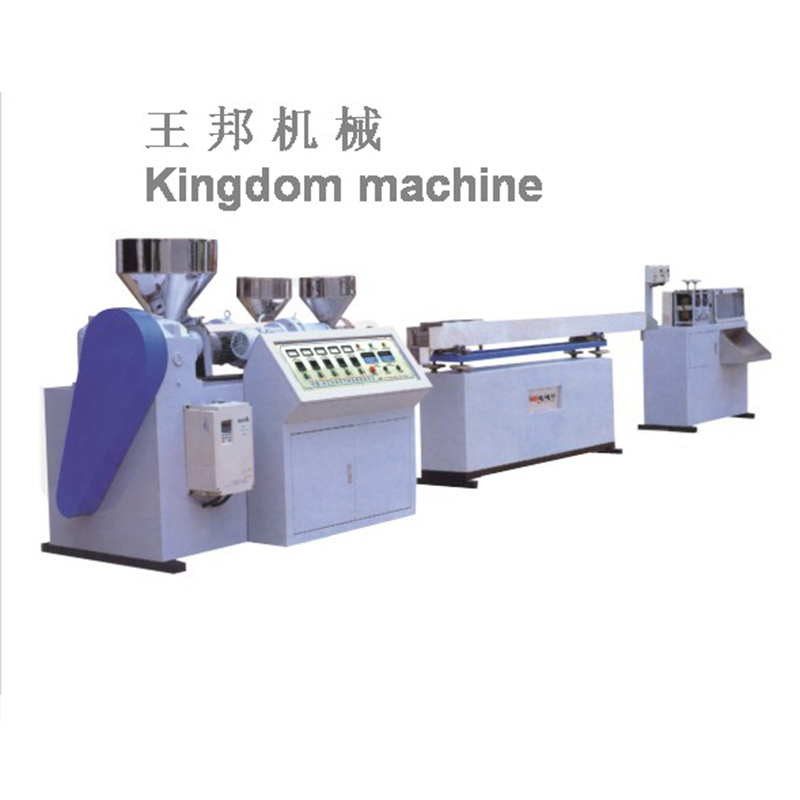
Drinking straw machine extrusion

Drinking Straw Making Machine data
drinking straw machinePP drinking straw

Polypropylene Drinking straw making machine extrusion have 1 color, 2 colors,3 colors,4 colors,5 colors
drinking straw diameter from 3mm to 15mm.
Suit market:Drinking bar,milk drinking straw,cocktail stir straws,cocktail drinking straws,cofa bar,Lollipop.

This model is a tube extrusion line, composed of extruder and die ,Vacuum calibration and cooling unit,haul-off unit, rotary cutter unit, The series machines can produce all kinds of drinking straw,spiral strip straw,medical pipe, all the machine’s controls base with the control elements ergonomically adapted to permit easy operation.

TECHNICAL FEATURE

1.The extrusion die can be special designed and easy exchanged to produce pipe and shaping stuff,
2.Water bath in stainless steel can be adjusted in three planes ,
3.The haul-off unit can be belt or rollers, it is customizable.
4.Fitted with single or double rotary cutter .


Video of drinking straw making machine
Kingdom Machine Co.,ltd
Tel.:0086-577-66881211;      Fax:0086-577-66881311
Mobile:0086-13088651008;       
Whatsapp:0086-13958812663;

www.kingdommachine.com;
sale@kingdommachine.com;
Whatsapp/Viber/Tango:+86-13088651008
Skype:Kingdombillwang
Ruian Economic Zone,Wenzhou,China 325200 

The 10 Best Resources For

Supply Chain Recruiting: Attracting the Best Ability in an Open Market
In today’s hectic company atmosphere, the supply chain plays a crucial duty in guaranteeing that products move seamlessly from suppliers to consumers. View more about Supply Chain Recruiters and Supply Chain Recruiting. With the rise of ecommerce and globalization, the need for knowledgeable supply chain professionals has risen. View more about Supply Chain Recruiting. As a result, companies must take on reliable recruiting approaches to draw in the very best skill in this competitive market. View more about Supply Chain Recruiters and Supply Chain Recruiting. In this post, we will certainly discover the crucial elements of supply chain recruiting and how companies can maximize their employing processes to build an effective team. View more about Top Supply Chain Recruiters.

Firstly, understanding the certain skills and credentials needed for functions within the supply chain is essential. Settings range from logistics organizers and purchase professionals to inventory supervisors and supply chain experts. View more about Top Supply Chain Recruiters. Each duty requires an one-of-a-kind collection of proficiencies, including analytical skills, problem-solving abilities, and a deep understanding of supply chain software application and modern technologies. Task descriptions need to be clear and customized to show the nuances of each position to bring in the right prospects. Furthermore, stressing the possible job growth opportunities within the supply chain can entice top talent to use. Read more about Supply Chain Recruiters.

One more important facet of supply chain recruiting is leveraging modern technology and social networks. In recent times, platforms such as LinkedIn have actually ended up being invaluable devices for employers to connect with possible candidates. Learn more about
Supply Chain Recruiting Agency. By utilizing these platforms, companies can promote partnerships with market professionals and share their task openings with a larger target market. View more about Supply Chain Recruiters and Supply Chain Recruiting. Furthermore, applicant radar (ATS) can simplify the working with procedure, permitting recruiters to effectively take care of applications, kind resumes, and track candidates with each stage of employment. View more about Supply Chain Recruiting.

In addition, constructing a strong company brand is essential to attracting high-caliber supply chain specialists. Companies that grow a favorable office culture, invest in employee development, and showcase their commitment to sustainability and ethical techniques attract attention in the eyes of work applicants. Highlighting employee endorsements and success tales on firm sites and social networks can additionally add to a compelling employer brand name, making prospective candidates extra inclined to join the company. View more about Supply Chain Recruiting.

Finally, networking within the market can yield substantial benefits for supply chain recruiting. Participating in sector meetings, workshops, and seminars allows business to involve with prospective candidates in person and establish connections with various other experts. These occasions supply a platform to showcase the business’s dedication to technology and excellence in supply chain monitoring, making it an appealing location for task hunters. Learn more about Supply Chain Recruiting Agency.

To conclude, supply chain recruiting is a diverse process that needs a critical strategy to draw in and keep leading skill. View more about Supply Chain Recruiters. By recognizing the details certifications needed, leveraging innovation, developing a solid company brand name, and networking within the sector, companies can improve their recruiting efforts. As the supply chain landscape remains to progress, focusing on reliable recruitment approaches will be necessary for business aiming to thrive in this affordable environment.

Understanding the Different Types of Investment Capital

Are you confused by the jargon thrown around in the world of finance? Do terms like “venture capital” and “angel investors” leave you scratching your head? Don’t worry, you’re not alone. In this article, I will break down the different types of investment capital that exist and explain what each one means. Whether you’re a startup founder looking to raise funds or an investor trying to diversify your portfolio, understanding these concepts is crucial for success in today’s economy. So let’s dive right in!

Equity

There are four main types of investment capital: equity, debt, hybrid, and royalty. In this article, we’ll focus on equity.

Equity is ownership in a company. When you invest in a company through equity, you’re buying shares of that company and become a shareholder. As a shareholder, you have a claim on the company’s assets and earnings. Equity investing is riskier than other types of investing, but it can also lead to higher returns.

There are two main types of equity: common stock and preferred stock. Common stock is what most people think of when they think of stocks. You own a certain number of shares of the company and have voting rights at shareholders’ meetings. Preferred stock doesn’t give you voting rights, but it does give you preference over common shareholders if the company is liquidated.

If you’re thinking about investing in a company through equity, it’s important to do your research and understand the risks involved. Equity investing can be rewarding, but it’s not right for everyone.

Debt

Debt is a type of investment capital in which the investor loans money to the company with the expectation of being repaid, usually with interest. The advantages of debt financing include the fact that it does not dilute ownership, and it can be a more affordable option than equity financing. The disadvantages of debt financing include the fact that it can put the company at risk if it is unable to make repayments, and interest payments can add up over time.

Hybrid

There are several types of investment capital, each with its own characteristics. One type of investment capital is hybrid capital. Hybrid capital is a mix of debt and equity. The equity portion gives the investor a ownership stake in the company, while the debt portion pays periodic interest payments.

The benefits of hybrid capital include the potential for high returns if the company does well and the safety of periodic interest payments even if the company does not perform as expected. The downside is that if the company goes bankrupt, the lenders will be first in line to receive any assets, leaving shareholders with nothing.

If you are considering investing in a company, it is important to understand what kind of investment capital it has raised. This will give you an idea of what kind of return you can expect and how much risk you are taking on.

Mezzanine

There are several types of investment capital, each with its own characteristics. Mezzanine capital is a type of debt that typically has a higher interest rate than senior debt and is often used to finance the expansion of a business. The mezzanine lender will often take a equity stake in the company in exchange for the loan. This can be a good option for companies that do not yet have the cash flow to support a senior loan or are looking for a way to avoid giving up equity in their business.

Venture Capital

Venture capital is a form of investment capital that provides funding for early-stage, high-growth companies. Venture capitalists typically invest in companies with high potential for growth and profitability, but that are too small to access traditional forms of financing.

Venture capital firms typically consist of a team of investors who work together to identify and invest in promising startups. venture capitalists often take an active role in the companies they invest in, providing advice and mentorship to help them grow.

While venture capital can be a great source of funding for young companies, it also comes with some risks. Ventures that fail to meet the expectations of their investors can be cut off from further funding, and may even be forced to shut down.

For these reasons, it’s important to understand the different types of investment capital before deciding which is right for your business. Each has its own advantages and disadvantages, so it’s important to choose the one that best fits your needs.

Private Equity

When it comes to investment capital, there are a few different types that you should be aware of. One type is private equity, which is when a company or individual invests money into a privately held company. This can be done through venture capital firms, angel investors, or other private individuals.

The goal of private equity is to help the company grow and eventually go public or be sold so that the investor can make a profit. Private equity can be a great way to get involved with a growing company, but it is also riskier than investing in publicly traded companies.

If you’re considering investing in private equity, it’s important to do your research and understand the risks involved. You should also consult with a financial advisor to see if it’s right for you.

Family Offices

A family office is a private wealth management firm that provides a wide range of financial and investment services to a single wealthy family. Family offices are often established by families with significant inheritances or high net worth individuals.

The main purpose of a family office is to help the family manage, protect, and grow their wealth. A typical family office will provide services such as asset management, tax planning, estate planning, philanthropy advice, and concierge services.

Family offices can be either single-family offices (SFOs) or multi-family offices (MFOs). SFOs are set up to serve only one family, while MFOs provide services to multiple families. MFOs typically have more staff and resources than SFOs.

There are several benefits of having a family office, including:

Better investment returns: Family offices can often achieve better investment returns than individual investors due to their access to better information and resources.

Lower fees: Family offices typically charge lower fees than traditional financial institutions. This can save the family significant money over time.

More personalized service: Family offices offer a more personalized level of service than traditional financial institutions. The staff at a family office gets to know the family’s unique situation and goals in order to tailor their advice and services accordingly.

Sovereign Wealth Funds

Sovereign wealth funds (SWFs) are state-owned investment funds that invest in a variety of assets, including stocks, bonds, real estate, and other investments. SWFs are typically created from a nation’s surplus revenues, such as from the sale of oil or other natural resources. The size of SWFs varies greatly, but the largest ones have trillions of dollars in assets.

Most SWFs are managed by professional investment managers who follow sound investment principles. However, some SWFs have been criticized for being used as political tools or for making risky investments. Overall, though, SWFs can be a valuable source of capital for companies and countries around the world.

Conclusion

Understanding the different types of investment capital is key to making sound financial decisions. Knowing which sources of capital are best suited for your business’s needs and investing in them wisely can have a positive impact on your long-term success. With this knowledge, you can be sure that you always have access to the funds needed for growth or emergency situations. Investing in any type of capital requires careful consideration but with a little research, you can make an educated decision about what will work best for your company and its goals.

Chapter 13 Bankruptcy And What Are The Debts Discharged by The End of it

Under chapter 13 bankruptcy, the debtor proposes to repay the obligations to the creditor in installment over a period of three to five years. In case the debtor’s earning is below the median of the state, then the repayment time will be for three years. The court approves the debtor more time with a valid cause, like if the debtor earns more than the state median.

Upon completion of the debt repayments, the debtor receives a discharge order from the court mentioning that the rest of the debts are erased, and the debtor is free from any loans.

Read on to know more about what exactly happens after Chapter 13 bankruptcy discharge and what are the debts covered by it.

What are the debts Chapter 13 bankruptcy discharges?

Bankruptcy law does not treat all debts equally. It has segregated the obligations into various categories, and depending on the type of debt; it is decided whether they will be discharged or not.

Debts are divided into two categories: secured and unsecured. Secured are those guaranteed by collateral or property, and creditors can claim your property if you fail to pay back the debt. Secured collateral must be surrendered before the court (usually a vehicle or house property), and long-term obligations need not be surrendered under Chapter 13 bankruptcy.

Unsecured are those for which creditors can’t claim any property as there is no collateral against it.

In unsecured, priority-based unsecured debts get paid first because these debts are nondischargeable in nature. Such debts do not get wiped off with a bankruptcy case, and you are bound to pay them. After paying back all possible debts, if some money is left over, only then do you have to pay non-priority unsecured.

How to get a chapter 13 debt discharge?

Once you make your mind to file Chapter 13, bankruptcy, keep in mind that you have to pay the maximum of the debts in a period of three to five years. You also have to make sure to comply with the following before you receive the discharge:

  • Get a certificate that you have no obligations left in domestic support anymore.
  • Show that you have not received any discharge in Chapter 13 bankruptcy within the last two years.
  • Complete a financial management course.

Debts that can be discharged in Chapter 13 bankruptcy

The common type of nonpriority unsecured debts usually get erased by Chapter 13 bankruptcy. Debts like credit card bills, utility bills, medical bills and personal loans come under such dischargeable debts. The court will also discharge the student loan if you can prove it is an adversary proceeding and that paying the loan may create an undue hardship for you and your dependents.

Limitation of Chapter 13 bankruptcy

There are some debts that can not be erased with the help of Chapter 13 bankruptcy:

  • Any debts you forgot to mention on the bankruptcy petition
  • Debts due to personal injuries or death because of drink and drive
  • Taxes like fraudulent income tax, business tax, and property tax which are due for the last three years
  • Fines, penalties, and restitution occurred from criminal activities
  • Debts incurred for luxury purchases

Chapter 13 bankruptcy helps in discharging some of the debts that Chapter 7 bankruptcy can’t erase. For instance:

  • Debts refused by the court to get discharged in a previous bankruptcy.
  • Debts from tax bills
  • Retirement account loans also can be covered by Chapter 13 bankruptcy.
  • Certain fines and penalties incurred by the government.
  • Domestic support obligations like child support and alimony.

When will you receive the discharge for Chapter 13 bankruptcy?

Once you repay a certain amount of the debt with a repayment plan, you can think of your debts to be discharged. The repayment plan amount depends on the type of debt, income and expenses, and property value. After you successfully repay the amount, the court can forgive the rest of the obligations and discharge them.

Debunking The Top 10 Bankruptcy Myths

Filing bankruptcy is not something you need to think about every day, but knowing the basics may come in handy when you are stuck in a grave financial situation. Several different types of bankruptcies are available, and it all comes down to which one you qualify for. Nonetheless, there are usually alternative and less formal ways to solve financial issues, so bankruptcy is sought as a last resort. There are many controversies surrounding bankruptcy, and most of them are associated with myths or misconceptions. If bankruptcy is something you have given a thought, perhaps you should consult Bankruptcy Lawyer in Cabot, AR, before jumping to conclusions.

Now it is time to debunk the top ten myths about bankruptcy that shall help you make an informed decision:

1. Bankruptcy erases all Debt

Bankruptcy can help discharge all your unsecured debt if you qualify for Chapter 7. Chapter 13 or other business bankruptcy may only grant partial relief, depending on the state of your finances. If you opt for a reorganizational bankruptcy, you are required to pay back most of your debt – usually through manageable installments over a longer period of time. Unsecured debts, such as mortgage loan, car lease, student loan, and child support cannot be discharged.

2. Your Credit Score is Ruined Forever

It is true that your credit score will take a hit following bankruptcy; however, if it is already poor (below 600), it won’t make a big difference. You can redeem a good credit score within a few years through sound financial management. If you start paying your bills on time and follow your bankruptcy payment plan for compensating debt (if applicable), your credit score will go up in no time.

3. It is used for Criminal Purposes

Many people are under the impression that bankruptcy is something corrupt business owners and officials use to get out of paying their debt. While this does happen occasionally, you should know that it is illegal. People who use bankruptcy for camouflaging their shady business face severe legal consequences. Bankruptcy is meant to help does who are genuinely suffering financial constraint; it can offer them a fresh start.

4. You get to exhaust your Credit Privileges

One crazy myth floating around is that you can max out all your credit cards before filing bankruptcy and then have all the debt discharged. Note to self that this is a trap and you could be charged for credit card fraud. The bankruptcy court will investigate your finances before approving your petition. This type of suspicious activity only calls for legal troubles.

5. Creditors will harass you

Many people think that filing bankruptcy will anger their creditors and create more problems. Truth is that bankruptcy provides you automatic protection from debt collectors. If a creditor still tries to approach you and demands payment, they shall face legal penalties and possibly a restraining order.

6. Bankruptcy is a Social Stigma

Once upon a time, bankruptcy was considered to be a shameful thing, but times have changed. Today, many businesses and individuals use bankruptcy to solve their financial problems, thus it is nothing to be embarrassed about. If bankruptcy saves your home/business or prevents you from breaking the law, consider it a blessing.

7. You can never apply for a loan again

Since bankruptcy gives you a bad credit, it can be difficult to obtain a new loan immediately. You should work on gaining financial stability and improving your credit score first anyway. If you rush into signing up for a new loan, you are probably going to have to pay excessive interest rates.

8. The government will confiscate your assets

If you file for Chapter 7, the bankruptcy trustee may liquidate your non-exempt assets to reimburse creditors. You will still be able to retain exempt assets like your family home, a standard vehicle for everyday use, etc. Reorganizational bankruptcies, such as Chapter 13 allow you to secure all the assets you want (under certain conditions).

9. Bankruptcy during marriage implicates both partners

The assets of both partners are at stake only if they file for joint bankruptcy to manage shared debt. If your spouse has debt under their name that has nothing to do with you, do not worry about being held accountable.

10. You can only file once

Hopefully, you will not need to consider bankruptcy ever or more than once in a lifetime. Nonetheless, if a financial crisis hits you more than once, multiple filings are allowed. Chapter 7 can be filed once every eight years, whereas Chapter 13 can be filed again after two years, assuming that you have paid off the debt from the previous filing.

7 Smart Money Management Techniques

A Great deal of people, employed or hustling out here are significantly stressed about their finances. Managing money has over the time become difficult with the increasing money constraints, potential recession, and persistently high prices. The persistent feeling of anxiety and worry about various expenses and debt has a serious negative impact on people’s mental health. A survey conducted by Bankrate in April 2023 revealed that more than half of U.S. adults face serious financial stress. Insufficient emergency savings contributes to 56 percent of the money-related issues as reported in the survey. The same survey shows that 56 percent of the women said that financial stress negatively affects their mental wellbeing. However, there are some smart money management techniques that can help lessen financial stress and make improvements.

1. Prioritizing essential bills

To reduce financial stress, you should start by prioritizing the bills that you should clear first. This makes you more prepared and equally gives you the opportunity to categorize bills that can be reduced or eliminated.

2. Have a budget and track your spending

Another great way of managing your finances is writing out a budget and keeping track of all the expenses and spending. This gives you concrete ideas on how much you have spent, saved and what you need to pay. Luckily, there are some budget apps that can easily help you with the menial work of budgeting. The budget will help you stay prepared for all the upcoming bills and spending. It equally helps you feel more in control of the income.

3. Research and Invest

It doesn’t matter whether you want to invest in stock market, property or cryptocurrencies, you should start by doing intensive research and plan well for the investments. A great idea is to consider smart money investment options regardless of the market you want to invest in. Research different instruments of investment that are available in the market for planning and wealth management.

4. Minimize recurring monthly Bills

Just because you can afford a bill or qualify for a certain credit or loan doesn’t mean you should give in. Always make sure you have substantially minimized your monthly recurring bills by easily minimizing credits, debts and loans. Take time to decide whether a monthly payment is affordable depending on the monthly obligations and the income.

5. Build up your savings

It is sound to create an emergency fund that will come through for you in instances of unforeseen circumstances. It doesn’t matter whether your monthly contributions are small, you can build the fund with time and it can save you from risky situations. Having an emergency fund eliminates the need to borrow at high interest rates in these instances. Additionally, make general savings contributions to strengthen the financial security in foreseen instances such as job loss.

6. Cut on recurring charges

Are you subscribed to ShowMax, Netflix, Hulu, Amazon Prime Video, Apple TV and other on Demand TV services? Are all these subscriptions necessary? If not, subscribe to services that you only use. In most instances, its easy to forget about some monthly subscriptions to mobile apps and streaming services that charge directly from your card.

7. Save for retirement

Research shows that most people are worried about their financial future but only few of them have a reliable retirement plan. The study shows that 68 percent of participants are worried that they won’t have enough financial freedom after retirement. For this reason, you should always consider having a retirement plan that will easily supplement the retirement income.

These are some of the smart money management tips that you can internalize to avoid financial stress. The list is endless and you should always be in the lookout for additional tips and tricks to attain financial freedom.

The digital transformation which refers to the integration of digital technologies, data, analytics, etc. intending to ameliorate processes and business results, has been making a lot of noise, especially in the banking sector. The world of digitally-driven technologies is gradually reshaping multiple industries, including the financial domain. It is on top of the agenda for banks across the world. From the meek beginnings of online banking during the early 1990s to the possibility of taking out a loan via a smartphone, the industry is witnessing the conversion toward a new era in finance.

With digital transformation becoming an integral feature of the financial sector, companies are now increasingly focusing on cutting down costs, optimizing operations, and enhancing profits among other things. Though the implementation of a successful transformation is notorious for its challenges. While some may think it is a mere add-on, this digital transformation that everyone seems to keep talking about, but the truth remains that it has now been rendered mission-critical for any business that hopes to survive in the modern-day market.

For many banks, the traditional approach to digital transformation means heavy investment in technology. It means meeting the new business opportunities and adhering to regulatory challenges. This is why there had been so much discussion around this concept, at least till the coronavirus pandemic started.

This is why there had been so much discussion around this concept, at least till the coronavirus pandemic started.

Don’t get me wrong, it is not that the banking and finance sector was far removed from the concept of digital transformation. You would agree a successful transformation requires a simplification of these myriad applications to ensure a seamless back-end operation.

Before the COVID-19 pandemic started, it was a topic of discussion for virtually every such organization in the sector. Unfortunately, though, this conversation about digital transformation took a detour with the onset of the pandemic. Now, the focus is on factors that lay beyond the horizon of the mere conversation about digital transformation. This is because not only the market but also the expectations of their customers have changed drastically. And you know what stands to help the industry through such precarious circumstances? Digital transformation. So, now let’s take a look at some of the essential factors for ensuring the success of such efforts.

The Types of International Trade & The Finance Methods to Support It

Types of international trade

International trade can be categorised into 3 types:

Export trade

Export trade involves selling locally produced and manufactured goods and services to foreign countries as a part of international trade. For example, major US exports include food, beverage, auto parts, cars and civilian aircraft. The US exports these goods because of their expertise and lower costs. On the other side, the major US imports include electrical machinery, pharmaceuticals, minerals, fuels, oil, and medical equipment.

Import trade

Import trade involves purchasing goods or services from another nation, when it is not available at a competitive price or in sufficient quantities. For example, most countries import a large portion of their crude oil from the Middle Eastern. This is because countries in the Middle East have large oil fields and the resources to transport crude oil to countries at an economical rate. Similarly Middle Eastern countries import agricultural products from other countries. This is more economical than manufacturing them.

Entrepot trade

International trade which includes both import and export is termed as Entrepot trade. In this kind of arrangement, products and services are imported from a country first and then exported to another country that needs those products or services. This means that the country that imports the products or services do not consume or sell the same. Here the importing country adds some value to the products or services before they are then exported to some other country.

Some of the main reasons why countries get into entrepot trade are:

No trade agreement exists between the two countries.

The two countries have no proper or direct access to each other.

The third country has better logistical or processing facilities available.

The importing country has no trade finance facilities available in the banking sector.

What is trade finance?

The global economic crisis has led to remarkable changes in trade finance. This is due to increasing barriers in trade overseas, margin competition, increased regulation in the trading of goods and services over different jurisdictions and reduced prices due to market efficiencies. Different players in the global supply chain opt for international trade finance facilities to fund the exporting of services, production of goods, etc.

Trade finance types

Different trade finance types are:

  • Overdrafts

Business current accounts use the overdraft facility frequently because of its easy availability. An overdraft enables the company to ‘overdraw’ to an agreed limit. Overdrawing can affect the credit line of a business. Flexibility and simplicity are the two main benefits of choosing the overdraft facility. However, it is important for the company choosing an overdraft to know that there may be a higher interest rate than other types of finance.

  • Payment-in-advance

Payment-in-advance is a kind of pre-export trade finance where full or advance payment is made by the buyer before the delivery of goods or services. This arrangement can be risky for the buyer. Even though this is quite popular in the market, the supplier always faces credit or non-payment risks.

  • Working capital loans

You can finance the up-front cost of the business using working capital loans. This type of finance helps to fund labor/staff costs, operational costs and even the purchase of raw materials. Such loans normally have a term of 6 months and are considered to be short-term loans.

The assets of the company can be used as security. Sometimes the bank may issue an unsecured loan without proper security. The increased risk is usually reflected in the cost of the loan.

  • Factoring

Factoring is based on the receivables. Factoring is generally used by businesses that are looking for ways to free some working capital from the balance sheet. Factoring is used to optimize the balance sheet. Factoring generally consists of short-term receivables along with 80% of upfront payment.

The factor/funder is then paid by the buyer. The remaining outstanding balance is then paid to the supplier after deducting all the discounts or charges that are applicable.

  • Forfaiting

Forfaiting is another trade finance option based on receivables. Factoring and forfaiting differ in terms of the duration of finance required.

Forfaiting reduces the risk of the supplier once the buyer receives goods as agreed. The receivables are supported by the buyer’s bank. This helps to maintain the financial ratios by letting the supplier remove the transaction from the balance sheet.

Different methods of payment in trade finance

  • Letters of Credit

Letters of Credit or LC are issued by banks & other trade finance institutions. They are also known as Documentary Credits that are financially and legally combined-solution. Once the terms mentioned in the LC are met, the LC guarantees the seller to pay the amount on behalf of the buyer.

An LC needs an exporter and an importer with a confirming bank and an issuing bank respectively. This type of trade finance stresses more on financiers and their creditworthiness. Both the banks (confirming and issuing) effectively replace the guarantee of payment from the buyer reducing the risks on the side of the supplier. This is called credit enhancement.

  • Cash Advance

A Cash Advance is an agreement where before the items are shipped the payment is issued from the buyer for the seller. In this agreement, the buyer accepts all the risks associated with the trade. Low-value orders mostly use cash advances.

For the seller, it is beneficial as the cash will be available upfront to produce and ship goods. For them, it may create cash flow issues and increase the risk. Moreover, this arrangement may not work as expected if the delivered goods are faulty, damaged, or low-standard.

  • Open Account

In this kind of payment method, the seller is paid by the buyer once the goods have arrived. Here the seller must address the risks associated with the trade, while the buyer enjoys a level of protection. This type of arrangement is usually only agreed if both parties have a strong relationship.

Using the Open Account method exporters can stay competitive in their market. Buyers prefer this method and encourage sellers to engage.

  • Documentary Collections

In this arrangement, the exporter or seller will request payment for shipping the products along with collecting the documents and remitting them to the bank. Once the documents are received, the remitting bank will forward them to the importer’s bank. The importer’s bank will then pay the funds to the remitting bank which will later release them to the exporter.

Here banks only have control over the flow of documents. Their role is limited. They guarantee a payment or take credit or country risks. Compared to LC, this option is cost-effective and convenient. If the importer and exporter have a good relationship then DC’s can be a better option.

Summary

Understanding different trade finance types and financing methods will help businesses to choose the best funding option for import-export trade. With international trade, it is important to understand the different payment methods.